Pest Control Service in Flower Mound, TX

Request an estimate for pest control services to address your project needs in Flower Mound.
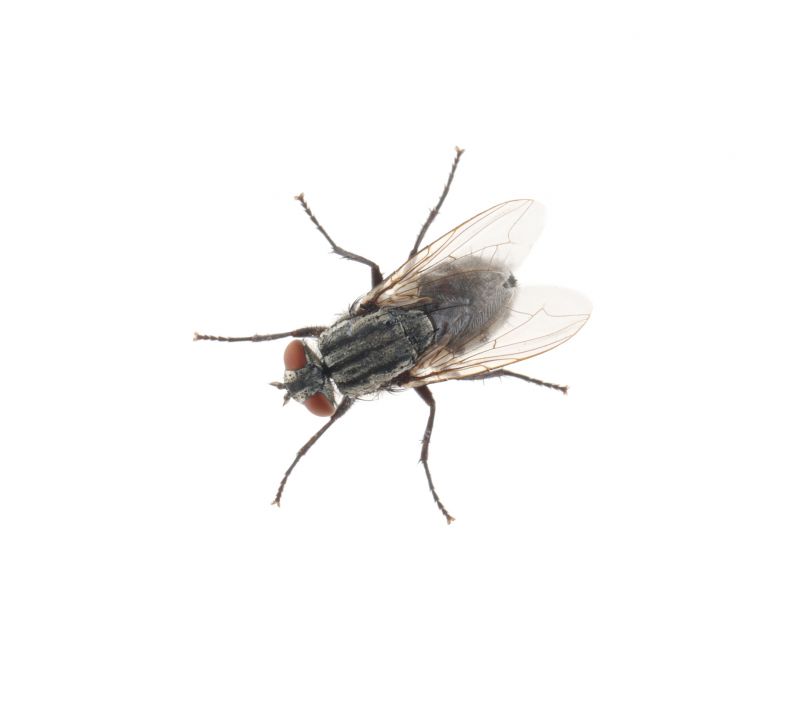
Pest Control Service project example
Know What Comes Next

Pest Control Service Project Planning

1Identify Pest-Infested Areas and Current Conditions

Examine your home to locate specific pest activity, such as visible insects, nests, or damage, and note the affected substrates or entry points.

2Determine Key Pest Control Materials or Equipment Needs

Decide if targeted bait stations, insecticides, or exclusion barriers are necessary based on the pest type and affected substrates.

3Compare Service Proposals Based on Pest Control Deliverables

Review estimates to ensure they specify comparable treatments, such as the number of applications, types of materials, and coverage of pest habitats.

Pest Control Service Options

Compare the main project types and choose the option that best matches the work you need.
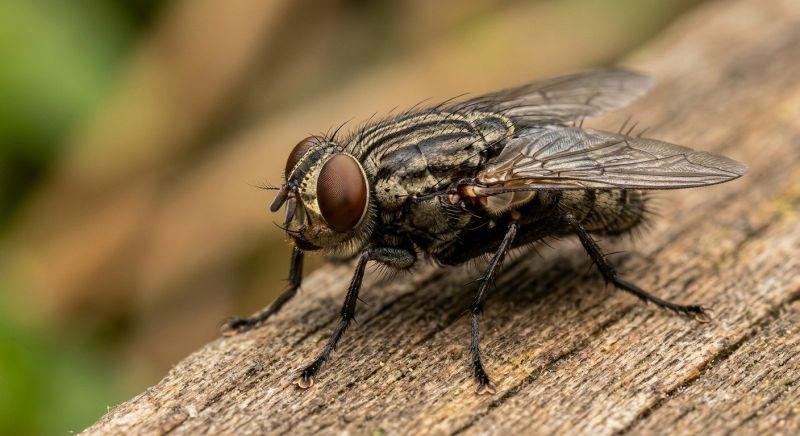
Fly Extermination project example

Fly Extermination

Target flying insects around your home’s exterior or interior when you notice persistent swarms or nuisance activity, especially during peak season.
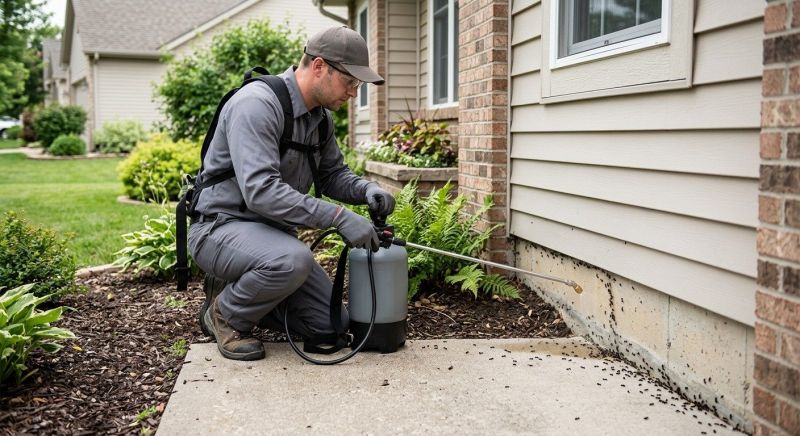
Ants Extermination Service project example

Ants Extermination Service

Eliminate ant colonies in your home or yard when you notice persistent trails, nests, or damage, especially during peak season or after weather changes.
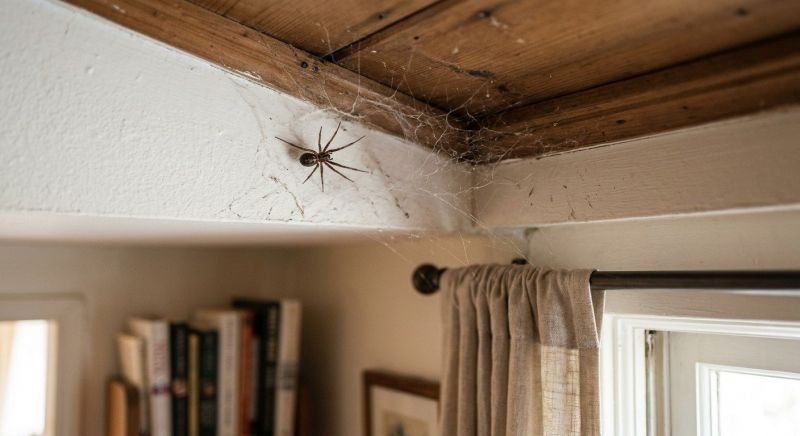
Spider Extermination Service project example

Spider Extermination Service

Target spider infestations in your home or yard when you notice webs, egg sacs, or increased spider activity, especially during warmer months or after weather changes.

What to Expect

Use these general planning benchmarks to frame the project before requesting an estimate.

Estimated Cost - Pest control services typically range from $150 to $400 for standard treatments, depending on scope and pest type.
Typical Duration - Most pest control treatments take approximately 1 to 3 hours per visit; some infestations may require multiple visits.
Site Requirement - Clear clutter and access to affected areas are essential for effective treatment and safety during pest control procedures.
Planning benchmarks are general unless verified local data is supplied. Confirm scope, pricing, and local requirements with each contractor.

Common Questions

Quick answers to practical questions about pest control service.

How do pest control services diagnose the specific pest problem in my home?

Professionals inspect affected areas, look for signs like nests, damage, or pest activity, and identify pest species to determine the best treatment approach.

When should I consider repair or replacement of infested structures after pest treatment?

If damage is structural or extensive, replacing or repairing affected materials may be necessary; minor damage can often be treated and preserved.

What materials are typically used in pest control treatments, and are they safe for my family and pets?

Treatments often include targeted insecticides, bait stations, and exclusion barriers, designed to be safe when applied as directed, but consult your pest professional for specifics.

How should I prepare my home before a pest control service?

Clear clutter, access affected areas, and follow any specific instructions provided to ensure effective treatment and safety during the process.

Will pest control treatments disrupt my household routines or require access restrictions?

Treatments are generally quick and minimally disruptive; access to affected areas is needed, and some treatments may require temporary household adjustments for safety.

Brand Philosophy · FLOWERMOUNDEXTERMINATORS.COM
“A strong foundation in pest control makes home life easier and more confident.”
Request Your Project Estimate

Share your project type, property details, and main goal to request an estimate.

Get A Local Estimate
Winged Termite Extermination in Grapevine, TX
Termite Control Extermination Services Pest Management Residential Pest Control
Winged Termite Extermination in Grapevine, TX

In Grapevine, TX, winged termites can cause significant property damage if not addressed promptly. Local extermination specialists provide effective treatments to eliminate these reproductive termites, identify active colonies, and implement preventative measures. Regular inspections and targeted solutions help property owners safeguard their structures from future infestations and maintain a pest-free environment.

Read more
Winged Termite Extermination in Grand Prairie, TX
Termite Extermination Pest Control Infestation Property Protection
Winged Termite Extermination in Grand Prairie, TX

Winged termites are reproductive members of a colony that can establish new infestations. Detecting their presence early through signs like discarded wings and mud tubes is crucial. Professional extermination methods, including liquid treatments and baiting systems, ensure effective removal and help prevent future problems. Regular inspections and moisture control can further protect properties in Grand Prairie, TX.

Read more
Winged Termite Extermination in Frisco, TX
Termite Extermination Infestation Treatment Property Protection
Winged Termite Extermination in Frisco, TX

Winged termites, also known as swarmers, are reproductive members of a termite colony that emerge to establish new colonies. Detecting signs like flying insects near windows or damaged wood indicates a potential infestation. Professional extermination services in Frisco, TX, utilize targeted treatments to eliminate winged termites and prevent future issues, safeguarding homes and businesses from structural damage.

Read more
Winged Termite Extermination in Fort Worth, TX
Termite Extermination Infestation Pest Control
Winged Termite Extermination in Fort Worth, TX

Winged termites are reproductive insects that leave their colonies to establish new ones, often indicating an active infestation nearby. Detecting signs such as swarms or discarded wings can help property owners take timely action. Professional extermination services in Fort Worth, TX, utilize effective methods to eliminate winged termites and prevent future damage to structures.

Read more