
Seasonal Ant Activity and When to Schedule Pest Control Service
Understanding seasonal ant activity and when to schedule pest control helps homeowners connect with local contractors who can effectively manage ant infestations during peak times.
Understanding seasonal ant activity and when to schedule pest control service is essential for property owners aiming to maintain a pest-free environment throughout the year. As ant populations tend to fluctuate with changing weather patterns and environmental conditions, knowing the timing of their activity can help prevent infestations before they become problematic. Local contractors specializing in seasonal ant pest control can assess your property’s specific needs and recommend the most effective times for treatment, ensuring that ant activity is managed proactively rather than reactively.
For property owners in the area, staying informed about seasonal patterns provides practical benefits, such as protecting structures from damage and avoiding the nuisance of unexpected ant invasions. By working with experienced service providers who understand local seasonal trends, it becomes easier to develop a tailored pest management plan that aligns with peak ant activity periods. Keep reading to learn more about how seasonal changes influence ant behavior and discover how local experts can support ongoing pest control efforts to keep your property secure.
- Seasonal ant pest control - is often needed when ant activity increases during warmer months, and local contractors tailor treatments to target seasonal infestations.
- Spring ant control services - are recommended as ants become more active in early seasons, with local service providers applying preventive measures before colonies expand.
- Summer ant pest management - is essential during peak activity periods, with local pros using targeted treatments to reduce ant populations and prevent nesting.
- Fall ant control solutions - help address declining activity but also prevent winter invasions, with local contractors adjusting strategies for seasonal changes.
- Timing for ant pest control - depends on regional climate and ant behavior, with local service providers advising the best season to schedule treatments for optimal results.
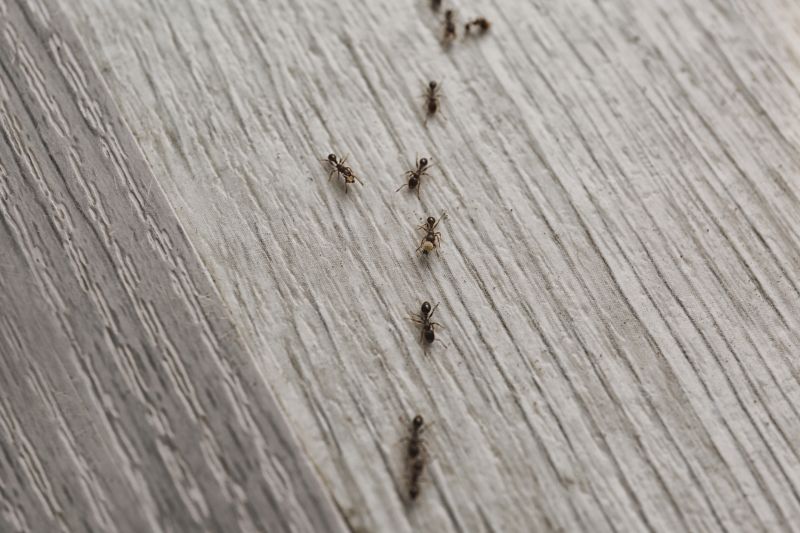
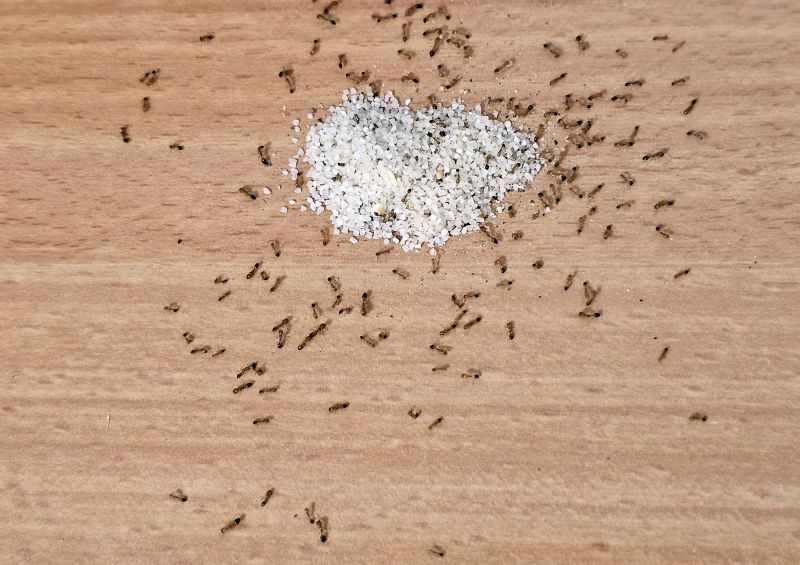
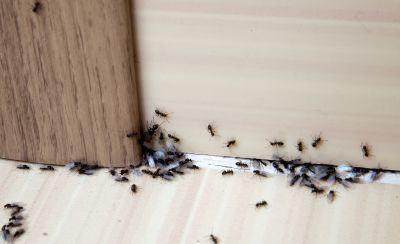
Understanding seasonal ant activity and when to schedule pest control service is a common concern for homeowners looking to prevent or address ant infestations. Many people search for this topic to learn about the times of year when ants are most active, so they can plan preventative treatments or respond quickly to emerging problems. This often relates to the desire to protect homes from invasions that can occur during specific seasons, especially as ants seek food, water, and shelter. Homeowners may also be considering whether their current pest control measures are timed correctly or if they need to adjust their schedule to better align with ant behavior patterns.
The problems associated with seasonal ant activity typically involve sudden or persistent invasions that disrupt daily life. Ants tend to become more active during warmer months, especially in spring and summer, when they search for food sources and establish new colonies. For property owners, this means increased risk of ants entering kitchens, bathrooms, or other areas where food and water are accessible. Planning pest control services around these seasonal patterns helps prevent large colonies from forming and spreading. Additionally, homeowners with plans to host outdoor gatherings or enjoy their yards may want to coordinate treatments to keep their spaces ant-free during peak activity periods.
Properties that most often come into focus when considering seasonal ant activity include residential homes, especially those with yards, gardens, or landscaping features that attract ants. Multi-family dwellings, such as apartment complexes, can also experience widespread issues if ant colonies are nearby. In some cases, commercial properties like restaurants or food stores may face challenges with ant activity that escalates during certain seasons. Regardless of property type, the goal is to implement pest control measures at the right times to minimize invasions and reduce the need for extensive treatments later. Local service providers can assess each property’s specific needs and recommend scheduling treatments that correspond with peak ant activity periods.
For homeowners aiming to manage seasonal ant activity effectively, connecting with experienced local pros can make a significant difference. These service providers understand the typical patterns of ant behavior throughout the year and can advise on the optimal timing for treatments. Properly scheduled pest control services can help prevent ants from establishing colonies or entering the home during their most active months. By planning treatments around seasonal trends, property owners can better protect their homes and outdoor spaces from unwanted ant invasions. Local contractors offer the expertise needed to develop a tailored pest control plan that aligns with the seasonal nature of ant activity, helping to keep properties ant-free year-round.
Home Inspection Services - professionals who assess property conditions can identify signs of ant activity and advise on optimal timing for pest control treatments based on seasonal patterns.
Pest Management Planning - local contractors specializing in integrated pest management develop strategies aligned with seasonal ant activity cycles to improve effectiveness.
Landscape and Exterior Maintenance - service providers who focus on yard and outdoor space upkeep can help reduce ant habitats around homes, supporting pest control efforts.
Rodent and Insect Exclusion Services - experts who seal entry points and fortify structures assist in preventing ant invasions during peak activity seasons.
Moisture Control Services - contractors who address drainage and moisture issues help eliminate conditions that attract ants during certain times of the year.
Seasonal Home Preparation - specialists who prepare properties for changing weather conditions can coordinate pest control timing with seasonal ant activity patterns.
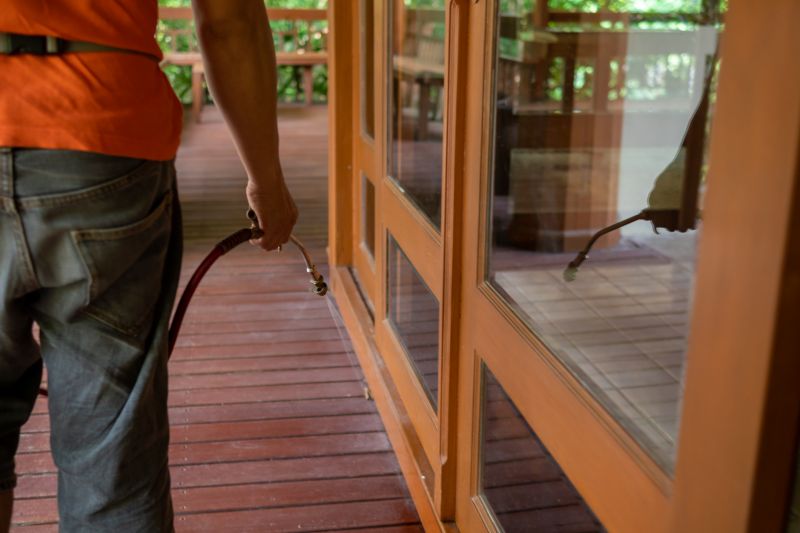
When evaluating local contractors for seasonal ant activity and when to schedule pest control service, it is important to consider their experience with similar projects. Homeowners should inquire about the types of ant problems they have handled and the seasons when they typically see ant activity increase. A contractor with a history of managing seasonal pest issues can offer insights into the patterns of ant behavior and recommend the most effective timing for treatments. This experience helps ensure that the pest control measures are aligned with the specific timing of ant activity, increasing the likelihood of successful management.
Clear written expectations are essential when comparing service providers for seasonal ant pest control. Homeowners should seek detailed descriptions of the scope of work, including what treatments will be applied, how often follow-up visits might be necessary, and what results to expect. Having this information in writing helps prevent misunderstandings and provides a basis for assessing whether a contractor’s approach matches the homeowner’s needs. Transparent communication about what the service entails ensures that expectations are aligned and that the homeowner can make an informed decision based on the contractor’s proposed plan.
Reputable references and good communication are key factors to consider when choosing local service providers for seasonal ant activity management. Asking for references from previous clients who experienced similar ant issues can provide valuable insights into a contractor’s reliability and effectiveness. Additionally, a contractor’s responsiveness and clarity in communication reflect their professionalism and willingness to address questions or concerns. Service providers who prioritize clear, ongoing communication can better coordinate treatments with the homeowner’s schedule and adapt strategies as needed, leading to a smoother and more satisfactory pest management experience.
Property owners often search for seasonal ant activity and when to schedule pest control service when they are planning practical projects around their homes and businesses. Local pros provide Seasonal Ant Pest Control services for everyday jobs and straightforward project options.
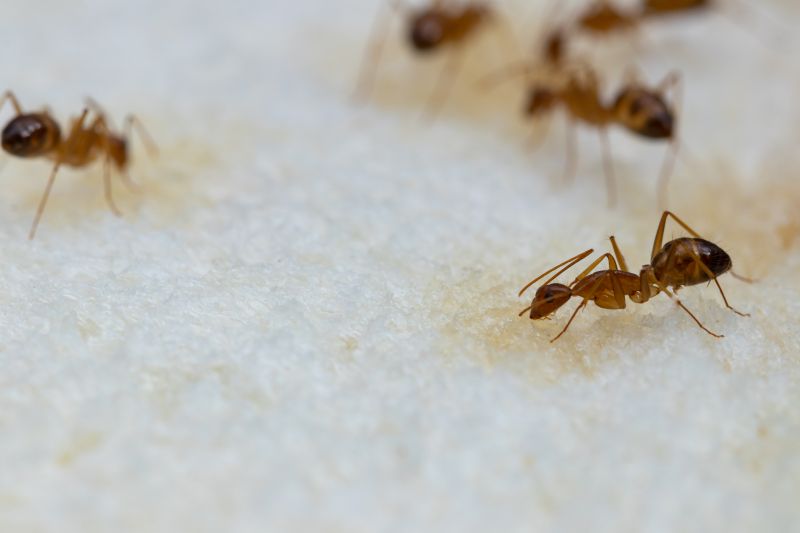

Understanding seasonal ant activity can help property owners better prepare for potential pest issues throughout the year. Ant populations tend to increase during warmer months, especially when outdoor conditions favor their nesting and foraging behaviors. Recognizing these patterns allows homeowners to schedule pest control services at appropriate times, helping to prevent infestations before they become difficult to manage. Local contractors experienced in seasonal ant pest control can assess the specific activity levels in the area and recommend the most effective treatment plans to keep properties protected.
Timing is a key factor in effective ant control, as different species become more active at certain times of the year. Property owners often seek pest control services when noticing an uptick in ant sightings or signs of nests around their homes. Scheduling treatments during peak activity periods can help reduce the risk of large colonies establishing inside or around the property. Local service providers are equipped to evaluate seasonal trends and provide targeted pest control solutions that address the unique ant challenges faced in the area.
When is the peak season for ant activity? Ant activity tends to increase during warmer months, typically in spring and summer, making it a key time to consider pest control services from local contractors.
How can seasonal changes affect ant behavior? Seasonal shifts influence ant movement and nesting habits, so scheduling pest control services at the right times can help prevent infestations during peak activity periods.
Is it better to schedule ant pest control before or after activity peaks? It is generally recommended to plan pest control services before ant activity peaks to help prevent infestations and reduce the likelihood of ants establishing colonies indoors.
What signs indicate that ant activity is increasing in a particular season? Increased sightings of ants around the home, especially near entry points or food sources, often signal rising seasonal activity that local service providers can address proactively.
Why should homeowners consider seasonal pest control services from local contractors? Scheduling pest control during periods of high ant activity with local pros can help manage and prevent infestations effectively, tailored to seasonal patterns in the area.
Monitor ant activity patterns - property owners can observe seasonal changes in ant behavior to determine optimal times for pest control services from local contractors.
Schedule preventative treatments - planning pest control before peak ant activity seasons helps reduce infestations and minimizes disruption.
Identify high-risk periods - understanding when ants are most active during the year allows property owners to coordinate with local pros for timely interventions.
Implement barrier methods - integrating pest control strategies during key seasonal periods can create effective barriers against ant entry from local service providers.
If you are thinking about seasonal ant activity and when to schedule pest control service for a property, this guide is meant to help you understand this topic, the typical project types, and how different options might fit your plans.
When you are ready, you can use the quote form on this page to share a few details about your project. From there, local pros can review the basics and follow up with options that match what you have in mind.