
Why Stinkbugs Invade Homes and Buildings
Local service providers can help control stinkbug invasions by identifying why they enter homes and buildings and implementing effective prevention and removal strategies.
Many property owners in the area have noticed an increase in stinkbug activity during certain times of the year, prompting questions about why these insects tend to invade homes and buildings. Understanding the reasons behind their presence can help residents take practical steps to minimize their impact. Stinkbugs are often drawn to warm, sheltered spaces as they seek places to overwinter, especially as outdoor temperatures drop. They tend to enter through small cracks, gaps, and openings around windows, doors, and vents, making homes and buildings attractive targets for these seasonal invaders.
For those experiencing recurring infestations, exploring professional stinkbug invasion control services can be a valuable step. Local contractors who specialize in pest management understand the common entry points and behavioral patterns of these insects, offering solutions tailored to the specific needs of properties in the area. By addressing the root causes of invasion and sealing potential entry points, property owners can better protect their spaces from future invasions. Keep reading to learn more about why stinkbugs invade and how local service providers can help manage the situation effectively.
- Stinkbug Entry Prevention - when homeowners notice an increase in bugs around windows and doorways, local contractors can implement sealing and exclusion methods to block entry points.
- Attic and Wall Inspection - if stinkbugs are found inside living spaces, local service providers can inspect attics and walls to identify and treat invasion zones.
- Seasonal Pest Barrier Installation - as stinkbug activity peaks during certain times of the year, local pros can set up barriers to reduce their access to homes and buildings.
- Interior Treatment Services - when stinkbugs have infiltrated indoor spaces, local contractors can apply targeted treatments to eliminate existing bugs and prevent future entry.
- Building Exterior Defense - in cases where stinkbug populations are high outside, service providers can reinforce exterior defenses to minimize intrusion opportunities.


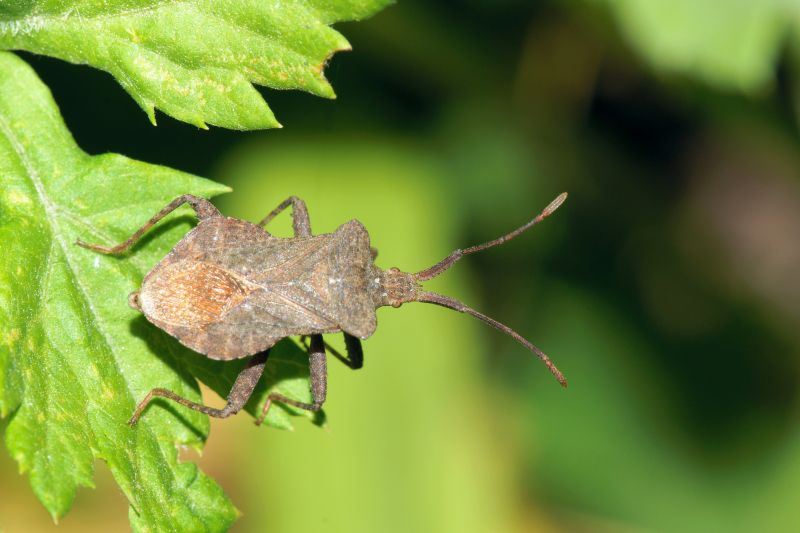
Many homeowners searching for information about why stinkbugs invade homes and buildings are typically trying to understand the reasons behind this seasonal nuisance. Stinkbugs are known for seeking warmth and shelter as the weather cools, often entering structures to escape the cold outdoor environment. This behavior can lead to large numbers gathering inside walls, attics, or basements, creating discomfort and sometimes difficulty in removing them. Understanding these invasion patterns helps property owners recognize that the presence of stinkbugs is largely driven by their natural instincts to find safe places during certain times of the year, which makes addressing the issue more manageable with the help of local service providers.
The problems associated with stinkbug invasions are not just about the nuisance of having bugs inside; they can also impact the comfort and cleanliness of a property. When large groups of stinkbugs enter homes or commercial buildings, they may leave behind unpleasant odors or stains if disturbed or crushed. For property owners planning to prevent future invasions, it’s important to consider strategies that target entry points and nesting areas. Local contractors specializing in stinkbug control can assist with identifying vulnerabilities in a building’s structure and implementing effective exclusion methods, helping to reduce the likelihood of recurring infestations.
Properties that are most commonly affected by stinkbug invasions tend to be residential homes, especially those with easy access points like open vents, gaps around windows and doors, or cracks in the foundation. Commercial buildings, particularly those with large entryways or poorly sealed windows, can also be targets. Structures located near wooded or agricultural areas are at a higher risk because these environments provide natural habitats for stinkbugs, which often venture indoors seeking warmth during cooler months. For homeowners and property managers, understanding the types of properties prone to these invasions can guide them in taking proactive steps with local pest control professionals to protect their spaces effectively.
In many cases, addressing why stinkbugs invade homes and buildings involves a combination of inspection, exclusion, and removal techniques performed by experienced local service providers. These professionals can evaluate a property’s vulnerabilities and recommend targeted solutions to keep stinkbugs out. Whether it’s sealing entry points, installing barriers, or managing existing populations, working with local contractors ensures that the property is better prepared for seasonal invasions. Connecting with qualified stinkbug control experts can help property owners develop a plan that minimizes invasions and maintains a comfortable, stinkbug-free environment.
Home sealing projects involve identifying and closing entry points, which is essential for preventing stinkbugs from invading homes and buildings. Local contractors skilled in sealing can help improve defenses against these pests.
Insect barrier installation services focus on setting up physical barriers that block pests like stinkbugs from entering structures, making them relevant for addressing invasion issues.
Structural inspection services include assessing building vulnerabilities that attract stinkbugs, enabling local pros to recommend effective prevention measures.
Pest exclusion services involve installing screens, weather stripping, and other preventative solutions to keep stinkbugs out of indoor spaces.
Attic and crawl space sealing projects target common entry points for stinkbugs, helping to reduce infestations through proper sealing techniques.
Building maintenance and repair work can address cracks, gaps, and other structural flaws that attract stinkbugs, supporting long-term invasion prevention.

When comparing service providers for stinkbug invasion control, it’s important to consider their experience handling similar projects. Homeowners should look for local contractors who have a track record of addressing pest issues within residential settings, particularly those related to insects like stinkbugs that tend to invade homes and buildings seasonally. An understanding of the common reasons why stinkbugs invade structures-such as seeking warmth or entry points-can help ensure the contractor is familiar with effective strategies for prevention and removal. Verifying the duration and scope of their experience can provide confidence that they are knowledgeable about the unique challenges posed by stinkbug infestations.
Clear written expectations are essential when evaluating local contractors for stinkbug control services. Homeowners should seek providers who offer detailed descriptions of the services included, such as inspection, sealing entry points, and targeted treatments. Having a transparent outline of what the work entails helps prevent misunderstandings and ensures the homeowner’s concerns about infestations are addressed comprehensively. Good communication about the process, potential results, and any follow-up steps can also foster a smoother experience and help homeowners feel more informed about the efforts being undertaken to reduce stinkbug invasions.
Reputable references and positive feedback from previous clients are valuable indicators of a reliable service provider. Homeowners are encouraged to ask potential contractors for examples of past projects similar to their own, especially those involving stinkbug issues. Contacting references can reveal insights into the contractor’s professionalism, effectiveness, and ability to communicate clearly throughout the process. A contractor with a history of satisfied customers and a reputation for dependable service is more likely to deliver results that meet expectations. Prioritizing providers who demonstrate good communication skills and transparency can make the process of addressing stinkbug invasions more straightforward and less stressful.
Property owners often search for why stinkbugs invade homes and buildings when they are planning practical projects around their homes and businesses. Local pros provide Stinkbug Invasion Control services for everyday jobs and straightforward project options.
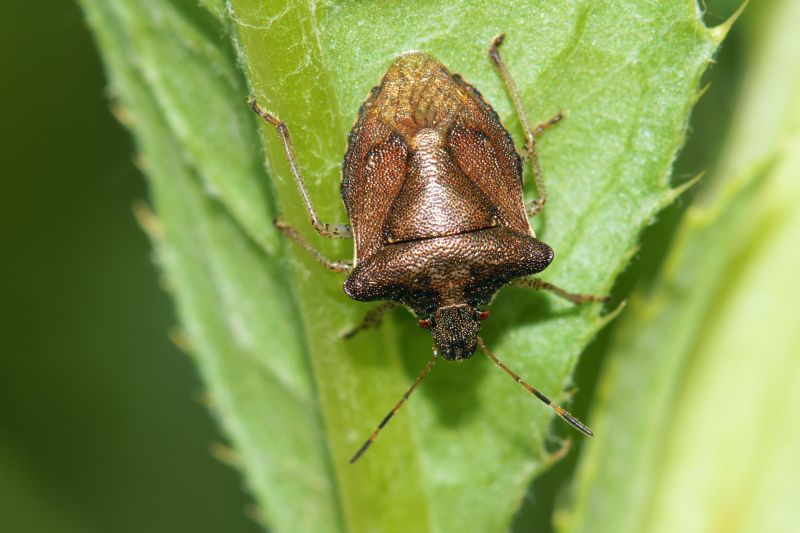
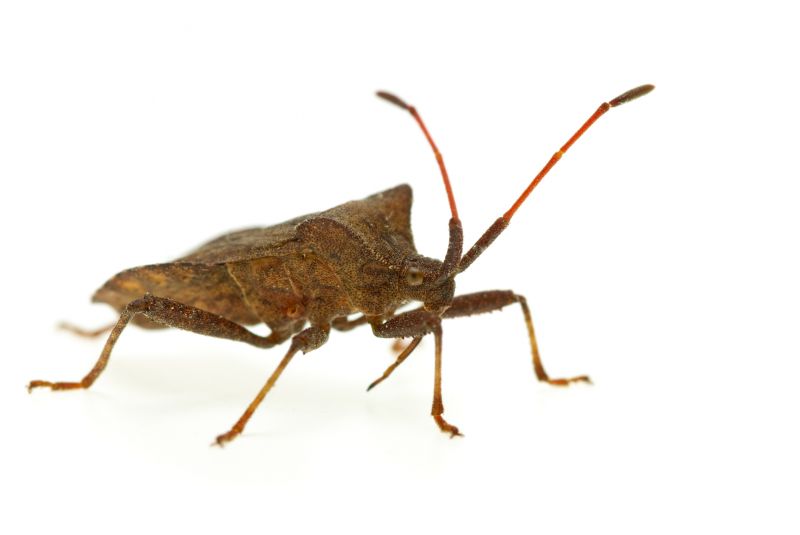
Understanding why stinkbugs invade homes and buildings can help property owners take proactive steps to prevent these unwelcome visitors. Typically, stinkbugs seek out warm, sheltered areas as the weather cools, often entering through small cracks, gaps around windows and doors, or other tiny openings in the structure. Once inside, they tend to gather in attics, wall voids, or near heating sources, making their presence more noticeable during seasonal changes. Recognizing these common entry points and behaviors can motivate property owners to seek advice from local contractors who specialize in pest prevention and exclusion methods.
When stinkbugs become a nuisance inside a home or commercial building, professional control services can provide effective solutions. Local service providers are experienced in identifying how these insects are gaining entry and can recommend appropriate exclusion techniques to block common access points. Additionally, they can assist with targeted removal strategies and advise on ongoing prevention measures to reduce future invasions. Property owners searching for help can connect with local contractors who understand the specific challenges of stinkbug invasions and can tailor their services accordingly.
Why do stinkbugs invade homes and buildings? Stinkbugs are attracted to warm, sheltered areas, especially during colder months, seeking places to overwinter. They often enter through small cracks and gaps in the exterior of structures. Local contractors can identify entry points and implement effective sealing methods to prevent invasions.
What attracts stinkbugs to homes and buildings? They are drawn by light, warmth, and the scent of certain plants or materials. Once inside, they tend to gather in wall voids, attics, and other hidden spots. Professionals can help reduce attractants and create barriers to keep stinkbugs out.
How can I prevent stinkbugs from invading my property? Maintaining tight seals around windows, doors, and vents is key. Removing debris and overwintering sites near the building also helps. Local service providers can assess your property and recommend targeted exclusion measures.
Why do stinkbugs tend to invade during specific seasons? They seek shelter when temperatures drop, typically in fall and early winter, to survive the cold months. In spring, they often emerge when temperatures warm. Pest control experts can provide seasonal strategies to manage invasions.
How can professionals help control stinkbug invasions? Local contractors offer services such as sealing entry points, applying barriers, and providing ongoing monitoring. These measures can significantly reduce the likelihood of future invasions and address current infestations effectively.
Identify common entry points - Property owners can inspect and seal gaps around windows, doors, and vents with help from local contractors to prevent stinkbugs from entering.
Improve exterior defenses - Installing screens or weather stripping around building openings can reduce the chances of stinkbugs invading indoor spaces with assistance from local pros.
Manage outdoor attractants - Removing debris, fallen leaves, and overgrown vegetation near structures can make properties less appealing to stinkbugs, with guidance from local service providers.
Implement ongoing monitoring - Regular inspections and preventative treatments by local contractors can help detect early signs of stinkbug activity and keep infestations under control.
If you are thinking about why stinkbugs invade homes and buildings for a property, this guide is meant to help you understand this topic, the typical project types, and how different options might fit your plans.
When you are ready, you can use the quote form on this page to share a few details about your project. From there, local pros can review the basics and follow up with options that match what you have in mind.