
How Spiders Affect Commercial Properties
Local contractors specializing in commercial spider control can help prevent infestations that threaten property safety, hygiene, and customer impressions.
Understanding how spiders affect commercial properties is an important consideration for many business owners and property managers. While spiders are often seen as harmless arachnids, their presence can sometimes lead to concerns about cleanliness, pest attraction, or even the perception of neglect. Exploring this topic can help property owners identify practical ways to manage spider activity effectively, ensuring that their spaces remain inviting and well-maintained. Local contractors specializing in commercial spider control can provide tailored solutions to address these issues, helping maintain a professional appearance and a comfortable environment for employees and visitors alike.
For those in the area managing commercial spaces, knowing how spiders impact property conditions can be a valuable part of overall site upkeep. Spiders tend to build webs in corners, doorways, or storage areas, which can contribute to cluttered or unkempt appearances if not addressed. Additionally, excessive spider activity might indicate underlying pest issues that could escalate if left unchecked. Engaging with experienced local service providers who offer commercial spider control can help address these concerns efficiently, supporting a clean, pest-free environment that aligns with the property's operational needs.
- Commercial property inspections - businesses noticing increased spider activity may seek professional assessments to identify infestations and vulnerabilities.
- Spider exclusion services - property owners experiencing frequent spider sightings often rely on local contractors to seal entry points and prevent future invasions.
- Pest prevention treatments - companies facing ongoing spider issues can work with service providers to implement targeted barrier methods around structures.
- Sanitation and clutter removal - facilities dealing with spider webs and debris in storage or loading areas may contact pros to reduce hiding spots and attractants.
- Structural repairs and modifications - property managers noticing damage or structural vulnerabilities linked to spider activity might engage local experts to address these issues.
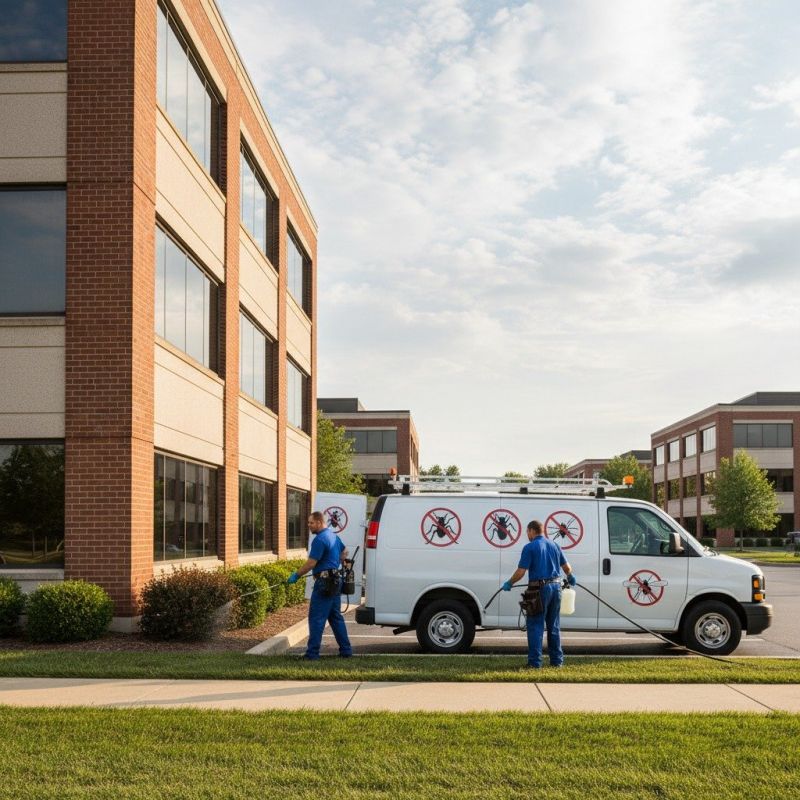

When people search for how spiders affect commercial properties, they are often concerned about the presence of these arachnids and the potential issues they can cause. Spiders tend to thrive in environments where they can find shelter and food sources, such as insects that are common around buildings. Business owners and property managers may worry about the aesthetic impact of spider webs, especially in retail spaces, warehouses, or office buildings where cleanliness and appearance are important. Additionally, some individuals seek information about how spider populations could indicate underlying pest problems or lead to infestations that might require professional intervention.
This topic often relates to plans for pest management, property maintenance, or preventative measures to keep commercial spaces spider-free. Property owners may consider regular inspections or targeted treatments to reduce spider populations and prevent webs from accumulating. In some cases, the concern extends to the safety of employees or visitors, especially if certain spider species present health risks through bites or if their presence signals larger pest issues. Understanding how spiders affect commercial properties helps decision-makers determine whether professional spider control services are necessary to maintain a clean, safe, and pest-free environment.
The types of properties that typically come up when discussing how spiders impact commercial spaces include retail stores, office buildings, warehouses, manufacturing facilities, and restaurants. These properties often have structural features like high ceilings, storage areas, or exterior corners that provide ideal hiding spots for spiders. Large windows, eaves, and outdoor landscaping also contribute to spider activity around commercial sites. Facilities with high foot traffic or those that require a pristine appearance tend to be especially attentive to spider control, as webs and spider presence can detract from the professional image or create discomfort among staff and customers.
Understanding how spiders affect commercial properties highlights the importance of working with local service providers who specialize in spider control. These professionals can assess specific property needs, identify spider activity, and implement effective treatment plans tailored to the environment. Whether dealing with webs in hard-to-reach corners or addressing larger infestations, local contractors offer practical solutions to keep commercial spaces free of spiders. Engaging these experts ensures that property owners can maintain a clean, safe, and welcoming environment while addressing the unique challenges that spiders may pose to their business operations.
Commercial Pest Management - Professionals specializing in pest management offer services that address spider infestations and prevent their impact on commercial properties.
Building Inspection Services - Inspectors assess structural vulnerabilities and entry points that spiders may use, helping property owners mitigate infestation risks.
Sanitation and Cleanup Services - These providers help maintain cleanliness to reduce spider habitats and discourage their presence around commercial spaces.
Exterior Maintenance Services - Contractors focus on sealing cracks, removing debris, and maintaining landscaping to limit spider access to buildings.
Exclusion and Barrier Installation - Experts install physical barriers to prevent spiders from entering commercial properties, reducing infestation chances.
Wildlife and Pest Exclusion - Service providers implement strategies to block entry points and control pests that attract spiders to commercial sites.
When evaluating service providers for commercial spider control, it’s important to consider their experience with similar projects. A contractor who has handled properties comparable in size, type, or layout can often better anticipate potential challenges and tailor their approach accordingly. Asking about the types of properties they have served and the scope of their previous work can help determine if they have relevant background in managing how spiders affect commercial spaces. This familiarity can contribute to more effective and efficient pest management strategies tailored to the specific needs of the property.
Clear written expectations are essential when selecting a contractor for commercial spider control. A reputable service provider should be able to outline the scope of work, the methods they will use, and what the property owner can expect during and after treatment. Having these details documented helps prevent misunderstandings and ensures that both parties are aligned on the objectives and process. It’s also beneficial to inquire about any follow-up or maintenance plans to sustain the results and address any ongoing concerns related to how spiders may impact the property.
Reputable references and effective communication are key indicators of a dependable service provider. Local contractors with positive references from other commercial clients can provide insights into their professionalism, reliability, and quality of work. Good communication involves timely responses to questions, clear explanations of procedures, and openness to addressing concerns throughout the project. When comparing options, it’s worthwhile to seek feedback from previous clients and observe how well the contractor communicates, as these factors can significantly influence the success of managing how spiders affect commercial properties.
Property owners often search for how spiders affect commercial properties when they are planning practical projects around their homes and businesses. Local pros provide Commercial Spider Control services for everyday jobs and straightforward project options.

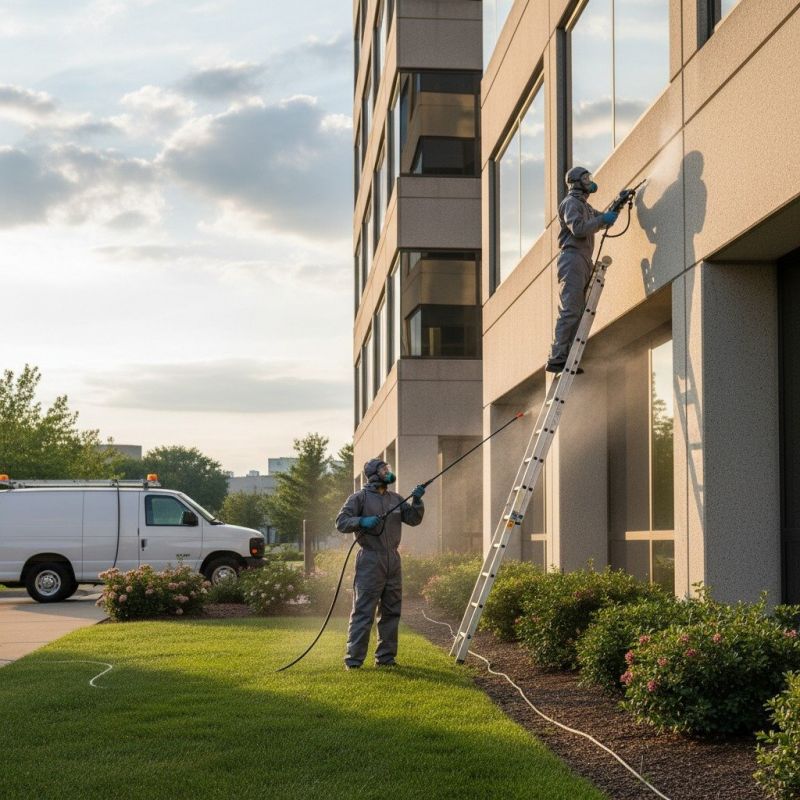
Understanding how spiders affect commercial properties is important for business owners and property managers. Spiders can sometimes become a nuisance by establishing webs in entryways, storage areas, or around outdoor fixtures, which may impact the overall appearance of a business. Additionally, the presence of spiders can raise concerns about pests or hygiene, prompting property owners to seek professional services to manage and prevent infestations effectively.
For those noticing signs of spiders or wanting to maintain a clean and professional environment, commercial spider control services offered by local contractors can provide practical solutions. These service providers have experience in safely removing spiders and implementing measures to reduce their likelihood of returning, helping property owners keep their spaces inviting and free from unwanted arachnid visitors.
How do spiders impact commercial properties? Spiders can create webs and nests that lead to clutter and may attract other pests, potentially affecting the cleanliness and appearance of commercial spaces.
Can spiders pose health risks to employees or customers? While most spiders are harmless, some species can bite if disturbed, which may cause allergic reactions or discomfort for people on the property.
What problems can spider infestations cause for businesses? An infestation can lead to an unprofessional appearance, pest management issues, and increased cleaning efforts to remove webs and debris.
How do local contractors help control spiders on commercial properties? They implement targeted treatments and exclusion methods to reduce spider populations and prevent future nesting around buildings.
Why is professional spider control important for commercial properties? Professionals can effectively address spider issues, minimizing disruptions and maintaining a clean, pest-free environment for staff and visitors.
Assessing spider activity - property owners can work with local contractors to identify areas where spiders are most active, helping to target control efforts effectively.
Implementing exclusion methods - property owners might collaborate with local service providers to seal entry points and reduce spider access to buildings.
Maintaining clean environments - regular cleaning and clutter removal can be coordinated with local pros to minimize spider harborage sites around the property.
Applying targeted treatments - property owners can schedule treatments with local contractors to manage existing spider populations and prevent future infestations.
If you are thinking about how spiders affect commercial properties for a property, this guide is meant to help you understand this topic, the typical project types, and how different options might fit your plans.
When you are ready, you can use the quote form on this page to share a few details about your project. From there, local pros can review the basics and follow up with options that match what you have in mind.