
How Routine Pest Control Helps Prevent Major Infestations
Routine pest control helps prevent major infestations by keeping pests under control through regular treatments provided by local contractors.
Understanding how routine pest control helps prevent major infestations is essential for property owners looking to protect their homes and businesses. Regular pest management services provided by local contractors can identify early signs of pest activity, address potential entry points, and implement preventative measures before small issues escalate into full-blown invasions. This proactive approach not only minimizes damage and inconvenience but also helps maintain a healthier living or working environment, making it a practical choice for those seeking peace of mind.
Property owners in the area often explore this topic to stay ahead of common pests that can quickly become overwhelming if left unchecked. Routine pest control services offered by trusted local providers are designed to keep pests at bay through ongoing inspections and targeted treatments. By establishing a consistent pest management routine, property owners can reduce the risk of costly infestations and enjoy a more comfortable, pest-free space. Keep reading to learn how these services can help safeguard your property from unexpected pest problems.
- General pest control - homeowners noticing minor pest activity may seek routine services to keep pests at bay and prevent larger infestations.
- Rodent prevention - properties vulnerable to mice or rats can benefit from regular treatments to eliminate entry points and reduce infestation risks.
- Ant control - when ants begin to appear indoors, local contractors can implement preventative measures to stop colonies from spreading.
- Spider management - routine pest control helps maintain a less inviting environment for spiders, reducing the chance of a major web-building infestation.
- Seasonal pest services - during peak pest activity times, local service providers can apply preventative treatments to minimize the risk of large-scale infestations.
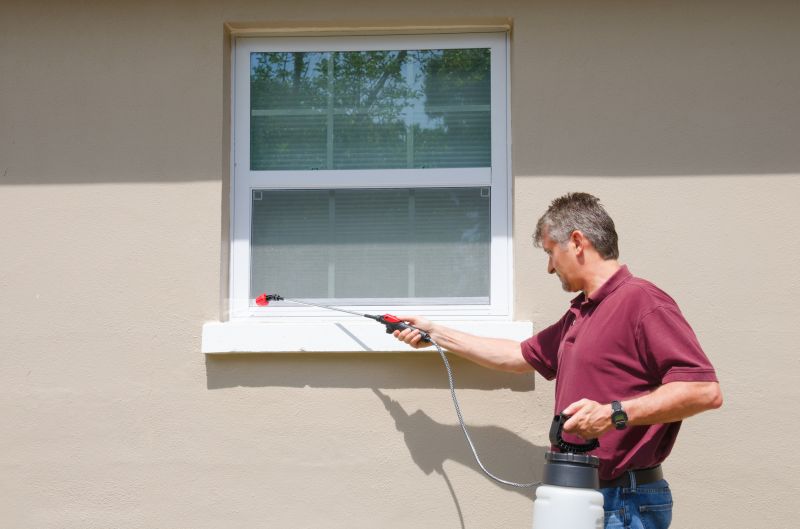
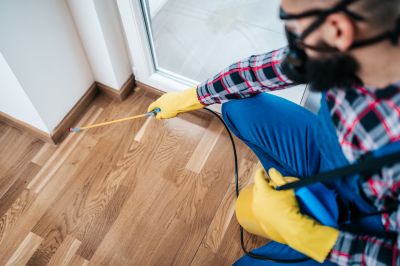
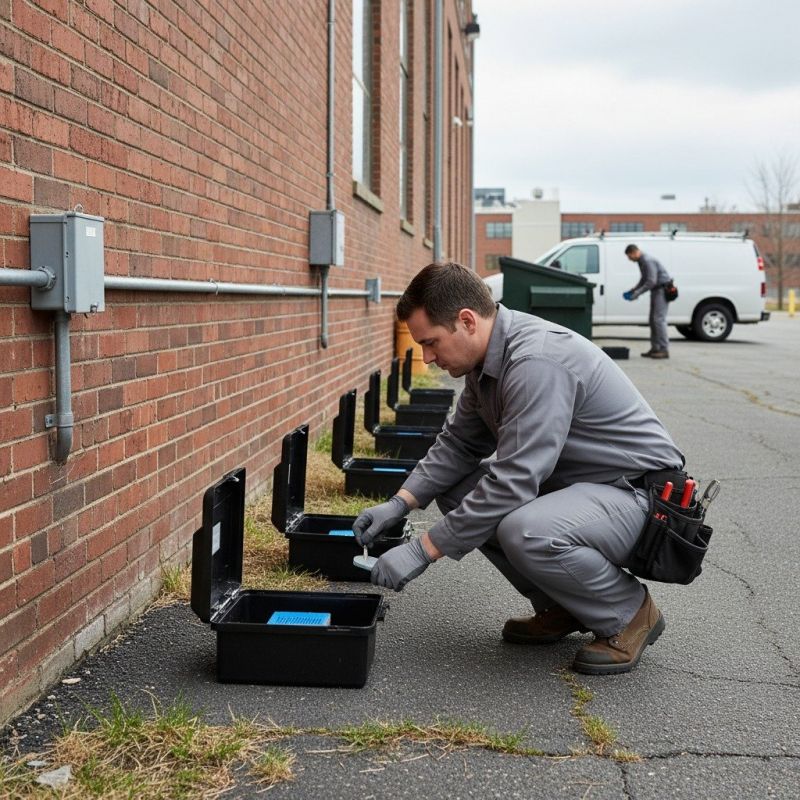
When people search for how routine pest control helps prevent major infestations, they are often looking to understand how regular treatments can keep pests at bay before they become overwhelming problems. The focus is typically on proactive measures rather than reactive solutions, emphasizing the importance of consistent service to maintain a pest-free environment. This approach involves scheduled visits by service providers who apply treatments designed to target pests early, reducing the likelihood of large populations establishing in or around the property. Homeowners want to know how these ongoing efforts can save time, money, and frustration by preventing infestations from reaching a level that causes damage or health concerns.
The problems related to major infestations often involve pests such as ants, cockroaches, termites, rodents, or spiders that can quickly multiply if not addressed promptly. Routine pest control plans are part of a broader strategy to disrupt pest life cycles and remove potential food or nesting sources. These plans are especially relevant for properties that are prone to pest activity due to their location, age, or surrounding environment. For homeowners, understanding how regular treatments fit into their overall pest management plan helps in making informed decisions about property maintenance and preventative care, reducing the risk of costly repairs or health hazards caused by unchecked pest populations.
Properties that typically come up in discussions about routine pest control include single-family homes, multi-unit residential buildings, and commercial properties such as restaurants or retail spaces. Homes with yards or gardens are often more susceptible to pests seeking shelter or food outdoors, making routine treatments essential for perimeter protection. Commercial properties, especially those in food service or hospitality, rely heavily on ongoing pest control to meet health standards and prevent infestations that could disrupt operations. Regardless of property type, consistent pest management from local service providers helps establish a barrier that keeps pests from gaining a foothold, ensuring the property remains safe and comfortable.
In practice, local pros provide tailored pest control plans that focus on prevention through regular inspections and targeted treatments. These professionals understand the specific pest risks associated with different property types and local environments, allowing them to develop effective schedules for applying treatments. Regular pest control not only addresses existing pest issues but also helps identify potential vulnerabilities before pests have a chance to multiply. For homeowners, working with local service providers ensures that preventive measures are integrated into their routine property maintenance, helping to avoid the major infestations that can cause extensive damage or health concerns down the line.
Termite Inspection and Prevention - local contractors perform inspections and treatments that help identify early signs of termite activity, reducing the risk of major infestations.
Rodent Control Projects - professionals implement trapping, sealing, and exclusion methods to prevent rodents from establishing large nesting sites indoors or outdoors.
Spider and Insect Barrier Treatments - service providers apply barrier treatments that help keep common pests at bay, minimizing the chances of infestations becoming severe.
Wildlife Exclusion Services - local pros use planning and physical barriers to prevent animals like raccoons or squirrels from entering structures and causing damage.
Mosquito and Tick Control Programs - pest control specialists apply targeted treatments to reduce breeding sites and adult populations, preventing larger outbreaks.
Preventative Pest Management Consulting - experienced service providers offer advice on reducing attractants and maintaining property conditions that discourage pest buildup.
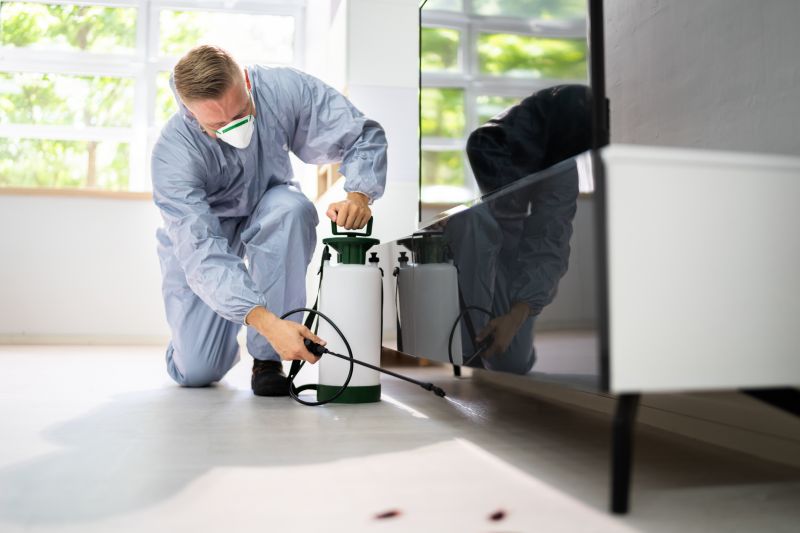
When comparing local contractors for routine pest control services, it’s important to consider their experience handling similar projects. A contractor with a proven track record in preventing major infestations through regular treatments can offer insights into effective strategies tailored to your home’s needs. Asking about their experience with properties similar to yours can help gauge their familiarity with common pest issues and their ability to implement proactive solutions that keep pests at bay over time.
Clear, written expectations are essential when evaluating potential service providers. A reputable contractor should be able to explain their approach to routine pest control, including what treatments are included, how often they are performed, and what results homeowners can reasonably expect. Having this information in writing helps ensure there are no misunderstandings about the scope of services, and it provides a reference point for ongoing communication and accountability.
Good communication and reputable references are key factors in selecting a dependable service provider. Contractors who are transparent about their methods and willing to share references from past clients demonstrate professionalism and confidence in their work. Reaching out to previous customers can provide valuable insights into the contractor’s reliability, responsiveness, and effectiveness in helping homeowners prevent major pest infestations through consistent routine treatments.
Property owners often search for how routine pest control helps prevent major infestations when they are planning practical projects around their homes and businesses. Local pros provide Routine Pest Control services for everyday jobs and straightforward project options.
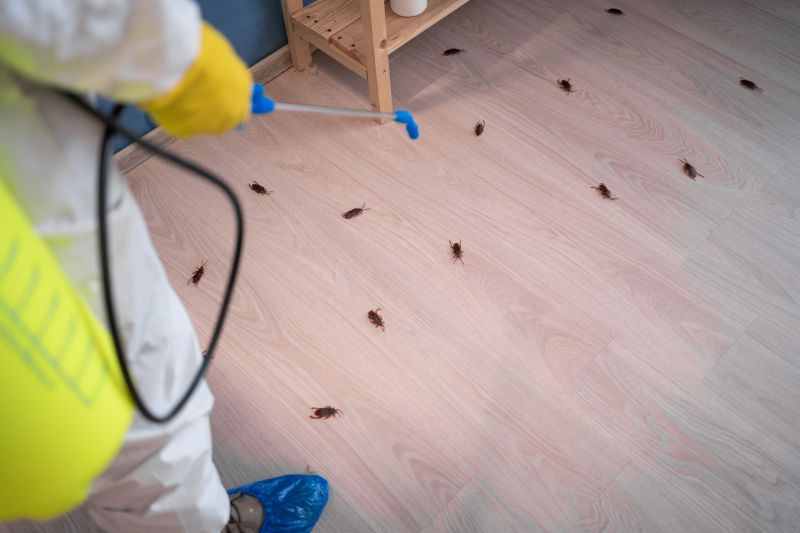
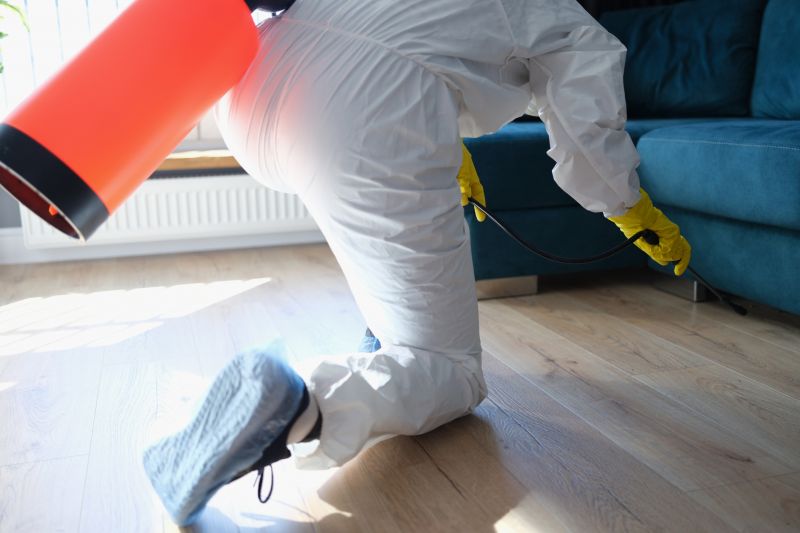
Routine pest control plays a crucial role in maintaining a pest-free property by addressing potential issues before they develop into major infestations. Property owners often seek out local contractors to establish regular treatments that target common pests such as ants, spiders, or rodents, especially in areas where these pests tend to thrive. By scheduling consistent visits, local service providers can identify early signs of pest activity and implement preventive measures, helping to keep homes and businesses secure from unexpected invasions.
Many property owners understand that proactive pest management can save time, money, and stress in the long run. Routine pest control services from local contractors are designed to create a barrier that deters pests from establishing themselves in the first place. Regular inspections and treatments help address minor issues before they escalate into larger problems, making it easier to maintain a pest-free environment. This preventative approach is often viewed as an essential part of property upkeep, especially in regions where pest activity is common.
How does routine pest control help prevent major infestations? Regular pest control services target pests early before they can establish large colonies, reducing the risk of major infestations.
Why is consistent pest management important for prevention? Consistent treatments help maintain a barrier against pests, addressing potential entry points and hiding spots before infestations grow.
What role do local contractors play in preventing pest problems? Local service providers assess property-specific risks and apply targeted treatments to keep pests from gaining a foothold.
Can routine pest control eliminate pests before they become a problem? Yes, routine services proactively manage pest populations, preventing them from reaching levels that cause significant issues.
How does routine pest control contribute to long-term pest prevention? It creates ongoing protection that disrupts pest activity and breeding cycles, helping to avoid larger infestations over time.
Regular inspections - routine pest control services include scheduled inspections that help identify early signs of pest activity before it becomes a major problem.
Preventative treatments - local contractors apply treatments around the property to create a barrier that discourages pests from establishing a presence.
Monitoring and adjustments - ongoing pest control involves monitoring pest levels and adjusting strategies to address new threats proactively.
Education and advice - service providers offer practical tips on reducing attractants and maintaining a pest-resistant environment through routine care.
If you are thinking about how routine pest control helps prevent major infestations for a property, this guide is meant to help you understand this topic, the typical project types, and how different options might fit your plans.
When you are ready, you can use the quote form on this page to share a few details about your project. From there, local pros can review the basics and follow up with options that match what you have in mind.